Awareness
Equipping communities with the knowledge to identify,
prevent and combat human trafficking in Florida.


the problem
Human trafficking is a complex crisis that thrives in the shadows. To effectively protect our communities, we must first unmask the realities of how exploitation operates right here in Florida.
-
What is Human Trafficking?
Human trafficking is a form of modern-day slavery where perpetrators use force, fraud, or coercion to control victims for the purpose of engaging in commercial sex acts or labor services against their will. It is a profound violation of human rights that strips individuals of their freedom and dignity.
-
Who is most vulnerable?
While trafficking can happen to anyone, perpetrators actively target youth experiencing instability.
The most vulnerable populations include:
- Runaway and homeless youth.
- Children currently or previously in the foster care system.
- Youth experiencing severe family conflict, poverty, or substance abuse.
- Individuals seeking acceptance online who fall victim to digital grooming.
-
What is Sex Trafficking?
Sex trafficking is a specific form of human trafficking where a commercial sex act is induced by force, fraud, or coercion, or where the person induced to perform such an act is under the age of 18. It relies on severe psychological manipulation, trauma bonding, and physical control to exploit vulnerable individuals.
-
How do we intercept the crisis?
Ground Up Ministries intercepts trafficking through a proactive, multi-layered approach focused on stopping exploitation before it begins:
- Community Education: Training teachers, parents, and local leaders to recognize the subtle, early warning signs of grooming.
- Youth Mentorship: Providing stable, safe environments and trauma-informed mentorship for high-risk teens to build resilience.
- Digital Safety Awareness: Equipping families with the tools to navigate online spaces safely, where many modern traffickers scout victims.
-
What is the reality of our state landscape?
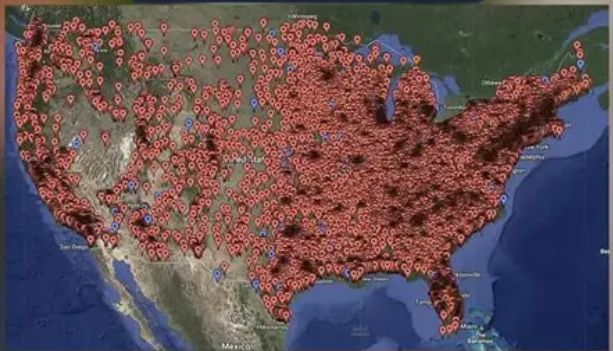
Florida consistently ranks among the top three states in the United States for reported human trafficking cases.
- A combination of a massive tourism industry, transient populations, vast highway corridors, and major international transit hubs makes our state highly susceptible to trafficking networks.
- Because trafficking is a underreported crime built on fear and intimidation, local hotlines receive thousands of calls annually, representing only a fraction of the actual lives impacted.
THE RESCUED
To free individuals from trafficking, we must understand the invisible chains that bind them. Rescue is not just an event; it is a coordinated, urgent intervention to bring captives out of the darkness.
-
How do traffickers maintain control over victims?
Traffickers rarely rely solely on physical locks; they use complex psychological tactics to trap victims. The most common methods of control include:
Grooming & Isolation: Slowly cutting the victim off from family, friends, and support systems until they feel entirely dependent on the trafficker.
Debt Bondage & Coercion: Creating artificial, unpayable financial debts for housing, food, or legal documents.
Trauma Bonding: Alternating severe abuse with intense affection, forcing the victim into a distorted cycle of psychological attachment.
Threats & Intimidation: Exploiting fear by threatening violence against the victim’s children, parents, or loved ones if they attempt to escape.
-
What resources and protocols are used to secure a safe rescue?
Rescuing a minor from sex trafficking requires specialized trauma-informed protocols. Traditional interventions often fail because survivors are taught to fear authority. A successful rescue framework relies on:
Multidisciplinary Task Forces: Seamless collaboration between local law enforcement, specialized FBI units, and child welfare agencies.
Immediate Safe Housing: Placing the survivor directly into a dedicated, highly secure safe house (like Ground Up Ministries) rather than an unequipped, traditional foster care placement where they remain at risk.
Crisis Hotlines: Utilizing immediate, 24/7 reporting channels to intercept trafficking situations in real time.
🚨 National Human Trafficking Hotline: Call 1-888-373-7888, text "HELP" or "INFO" to 233733, or visit humantraffickinghotline.org. Available 24/7, confidential, and multi-lingual.
-
What does the current rescue landscape look like in Florida?
Florida’s federal, state, and local law enforcement agencies are continuously executing historic, large-scale task force operations to intercept exploitation networks. Recent major multi-agency stings highlight the sheer volume of vulnerable youth being pulled from danger:
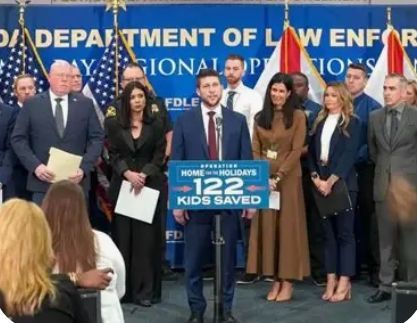
Operation Home for the Holidays (Late 2025): A massive, multi-regional task force led by the U.S. Marshals Service, FDLE, and the Florida Attorney General safely located and recovered 122 missing, exploited, or endangered children across Florida hubs including Tampa, Fort Myers, Orlando, and Jacksonville.
Operation Dragon Eye (2025): A major joint-agency initiative across Central Florida that successfully tracked down and rescued 60 missing and trafficked juveniles (ages 9 to 17) who were actively considered in severe danger, resulting in multiple felony arrests of child predators.
Statewide Internet Crimes Stings: Targeted undercover crackdowns across regions like Central Florida and Polk County continue to intercept hundreds of online predators and traffickers attempting to groom, transport, or exploit minors.
-
What happens to a survivor immediately after they are rescued?
The first 48 hours following a rescue operation are critical to a survivor’s long-term healing. Traditional systems are often overwhelmed, which is why a specialized, multi-layered protocol is immediately activated:
De-escalation & Medical Triage: Survivors are brought to secure, neutral recovery hubs where they receive immediate medical evaluations and trauma-informed mental health care to process the shock of the intervention.
Debriefing with Care: Specially trained victim advocates—not just law enforcement—interview survivors gently to ensure they feel safe, heard, and protected rather than interrogated.
Placement in Specialized Housing: Because traditional foster care placements are not equipped to handle the complex trauma or security risks of sex trafficking, survivors must be transitioned directly into dedicated, secure safe houses where the work of long-term restoration can finally begin.
THE REDEEMED
Healing from severe exploitation requires an intentional shift in environment, mindset, and language. We don't just see a past marked by trauma—we see a future defined by redemption and purpose.
-
How do we approach deep psychological wounds?
Trafficking alters the brain's chemistry, placing survivors in a constant state of fight-or-flight.
Trauma-Informed Care is a framework that shifts the question from "What is wrong with you?" to "What happened to you?"
Our approach prioritizes absolute physical safety, emotional trustworthiness, transparency, and collaboration. By removing punitive, rigid rules and replacing them with supportive therapeutic environments, we allow the survivor’s nervous system to finally settle and heal.
-
Why does language matter?
The language used to describe an individual’s journey shape their identity. While "victim" is an accurate legal term for a crime committed, continuing to label a young girl as a victim can trap her in a mindset of powerlessness.
The Shift to Survivor: Ground Up Ministries intentionally uses the term "Survivor." This vocabulary empowers individuals, reminding them that they are no longer defined by what was done to them, but by their incredible resilience and capacity to overcome.
-
How do care teams handle crisis moments?
Survivors of sex trafficking often experience severe emotional flashbacks, panic attacks, or defensive aggression when triggered. De-escalation is a set of non-physical, verbal and non-verbal techniques used by our specialized staff to reduce agitation and restore a sense of calm. This includes regulating our own tone of voice, maintaining respectful physical space, actively listening without judgment, and using sensory grounding techniques to pull the survivor out of a trauma response and back into the safe, present moment.
-
What does the timeline look like?
True psychological recovery cannot be rushed; it is a non-linear journey that unfolds in distinct phases:
Stabilization (Days 1–90): Focusing entirely on immediate physical health, secure housing, medical triage, and establishing a predictable, safe daily routine.
Processing (Months 3–12): Intensive, trauma-informed therapy (such as EMDR) to gently process the grief, shame, and psychological manipulation inflicted by traffickers.
Integration (Months 12+): Transitioning toward independent living, educational milestone recovery, vocational training, and spiritual growth to prepare for a self-sufficient future.
-
What are Ground Up Ministries 6 Program Phases?
True psychological recovery cannot be rushed; it is a non-linear journey that unfolds through our structured, multi-phase therapeutic program designed to guide residents from crisis to independent leadership:
Phase 1: Orientation & Adjustment (Establishing Safety)
The cornerstone of healing begins with safety. Many of our residents have never experienced a consistently safe environment, making this their first encounter with genuine security and stability. During this phase, we focus on creating predictable routines, clear expectations, and constant support through staff supervision. This isn't just about following rules—it's about helping residents experience what true safety feels like, often for the first time. Only when they feel physically and emotionally safe can they begin to trust and accept help.
Phase 2: Identifying the Need for Change (Building Trust)
Once safety is established, residents can begin exploring the concept of trust and healthy relationships. This phase recognizes that many survivors have experienced profound betrayal and manipulation, making trust a significant challenge. Through learning about healthy choices and understanding the connection between thoughts, feelings, and behaviors, residents start to see how trusting relationships should function. The increased privileges in this phase aren't just rewards—they're opportunities to practice trust in a safe environment.
Phase 3: Identifying Areas of Growth (Developing Self-Awareness)
With a foundation of safety and growing trust, residents can begin the vulnerable work of self-discovery. This phase moves beyond basic stability into understanding personal patterns and needs. The focus on identifying growth areas isn't about pointing out flaws—it's about empowering residents to recognize their own strength and potential. They learn that acknowledging areas for growth is a sign of strength, not weakness, and begin taking ownership of their healing journey.
Phase 4: Developing New Attitudes & Behavioral Patterns (Practicing Change)
This transformative phase marks the shift from understanding to action. Residents begin actively implementing what they've learned about healthy relationships and coping mechanisms. The leadership opportunities provided aren't just about responsibility—they're about practicing new ways of relating to others and themselves. Through supervised social activities and potential employment, residents test these new patterns in real-world situations while maintaining the safety net of program support.
Phase 5: Consistency in Attitude & Behavior (Embracing Identity)
This phase focuses on helping residents fully embrace their new identity as survivors and leaders. The emphasis on consistency isn't about perfectionism—it's about building confidence in their ability to maintain healthy patterns. By becoming positive role models and practicing servant leadership, residents strengthen their new self-image and understand their potential to impact others positively. This phase recognizes that true healing includes the ability to help others while continuing one's own growth.
Phase 6: Focus on Transition (Preparing for Next Steps)
This final phase focuses on preparing residents for their next placement or living situation, depending on their age and circumstances. The emphasis is on solidifying the tools, coping skills, and spiritual foundation they've developed throughout the program. Residents learn to identify and maintain healthy support systems, advocate for their needs, and continue their healing journey in new environments. This phase recognizes that while the intensive portion of our program is concluding, their growth journey continues with ongoing support from their broader community.
THE Restored
True restoration is about reclaiming a voice that was stolen. We equip survivors not just to adapt to the world, but to confidently step into it as leaders, advocates, and independent individuals.
-
What is our vision of Restoration
Restoration is more than just the absence of exploitation; it is the presence of a flourishing life. Our vision is to see every resident achieve complete wholeness—spiritually, emotionally, mentally, and socially. We provide a space where dreams are rediscovered, education is resumed, and young women can re-author their futures on their own terms, completely decoupled from their past traumas.
-
What is our Biblical Perspective and The Foundation
Our ministry is anchored in the foundational truth that every individual is fearfully and wonderfully made, possessing inherent dignity that no circumstances can diminish. We approach restoration through a Christ-centered framework of grace, unconditional love, and spiritual renewal. While participation in spiritual life is always a personal choice for our residents, we offer a steady foundation of faith to help heal deep spiritual wounds and reveal their true, divinely appointed identity.
-
What action do we take to Empowering Survivors?
Empowerment means shifting agency back into the hands of the survivor. We cultivate self-governance by offering practical life skills, financial literacy training, educational advancement (HS Diploma, GED and college prep), and career mentorship. By giving residents real leadership opportunities within the safe house and community settings, they build the concrete confidence required to break generational cycles and step into sustainable independence.
-
What is our Advocacy Methods for their Future
The fight against human trafficking expands exponentially when survivors become advocates. We teach residents how to safely use their boundaries, voices, and stories to shape community awareness and policy. Beyond the safe house walls, Ground Up Ministries actively trains local churches, civic organizations, and businesses on how to build protective walls of advocacy around vulnerable populations across Florida.
OUR PARTNERS & NETWORK
Ground Up Ministries proudly holds provider contracts with every Community-Based Care (CBC) lead agency across the State of Florida.
CBC agencies are the regional, state-contracted organizations responsible for managing child welfare, foster care, and adoption services in their respective circuits. Because our facilities and trauma-informed programs meet the highest benchmarks of safety, clinical care, and security required by the state, we serve as a premier placement partner when a survivor of juvenile sex trafficking requires immediate, specialized care.
Through this comprehensive network, we are able to receive referrals and provide a secure haven for endangered youth from all 67 Florida counties, seamlessly bridging the gap between state intervention and long-term restoration.